
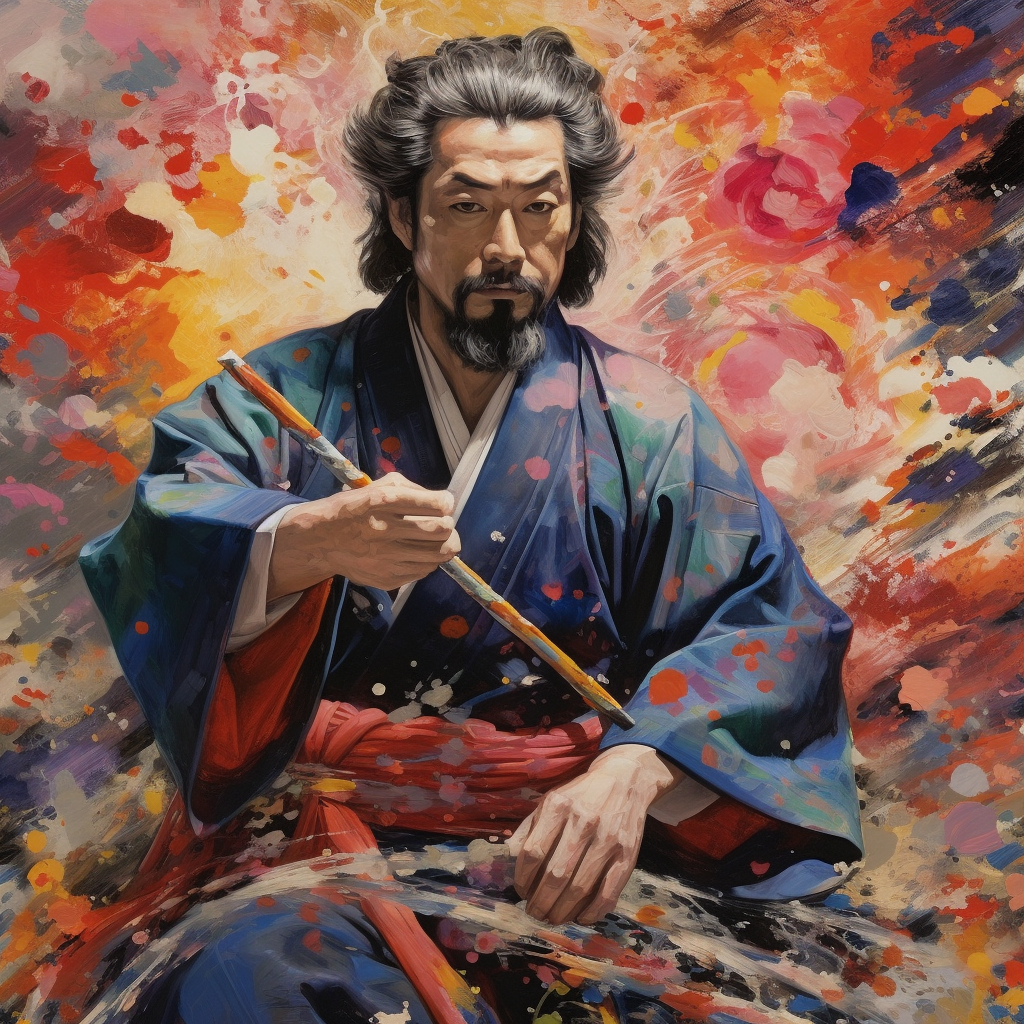
Miyamoto Musashi, is without question, my favourite samurai warrior. He advised that if you want to win a sword fight, every movement of your sword must cut your opponent.
The same logic applies to color. In whatever you do, there’s a good chance that your success will depend on producing more for less — maximizing efficiency in everything you do. Color is one of those areas where your palette must achieve as much as possible, with as little as possible.
The right color palette will strike your audience’s emotions and cognition in one fell swoop. It will help you guide user attention, signal how they should use your system, boost their comprehension, evoke the right emotions, and build positive associations with your brand.
Real-World Design
It’s good to adopt a warrior mentality when it comes to color, because implementation is often more painful than it needs to be. Most of us will be applying color strategies under ridiculous constraints, where we need solid technical knowledge of how color works so we can find solutions that balance multiple competing demands.
Here are standard color-based design challenges you may face:
- Your company’s HiPPO thinks you must RED-IFY everything because your brand is red.
- Your ZEBRA colleague heard red CTAs convert, so you’re a fool for not redifying.
- You have an official color palette that violates accessibility standards, and possibly laws.
- You need to provide AA contrast ratios, possibly AAA, but your brand colors are nowhere close.
- Your colleagues disregard usability test results in favor of their own preference.
- In your latest user test, snooty teens made disgust faces and snickered at your new design mocks. And you don’t know why.
The challenge is not so much how to develop the best color palette in ideal circumstances, but more often, how to strategically use color under multiple competing demands. It’s about doing your best under the circumstances.
Translating Science to Practice
Miyamoto Musashi’s famous Book of Five Rings ends with a metaphysical chapter that I interpreted as advice on how to cultivate a warrior’s mindset. Basically: learn as much as possible, then before you enter battle, clear your mind, focus, and let your instincts take over.
Science never takes you all the way to your goals. Instead, it fast-tracks you at every step, giving you deep insight, and when you’re not sure what to do, its theories help you make better decisions under uncertainty.
When you’re not sure of the best approach, science also offers research methods that give you deep insight into your users and digital products. Rather than cold-hearted analysis, research-based insight is the ultimate source of empathetic, user-centered design. When people don’t know what to do, I normally recommend talking to their audience. Research is the ultimate conversation.
The warrior doesn’t win by following a rigid rulebook. The warrior wins by knowing the principles deeply enough to improvise under pressure. That’s exactly the mindset that separates designers who apply color strategically from those who just follow tactical dogma, trends or take orders from the HiPPO in the room.